Your AI can run your dental practice's books. Really.
Connect FinStat from Grok, ChatGPT, Claude, Cowork, Work, Cursor, Codex, Agent, Grok Bot, or Perplexity on your computer. Hand over your insurance ACH batches, patient co-pay receipts, supply bills, and card statements, and it hands you a review-ready P&L, every transaction tied to its source.
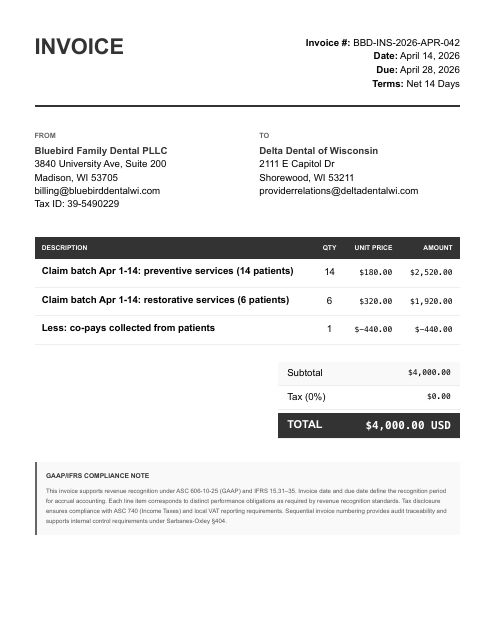
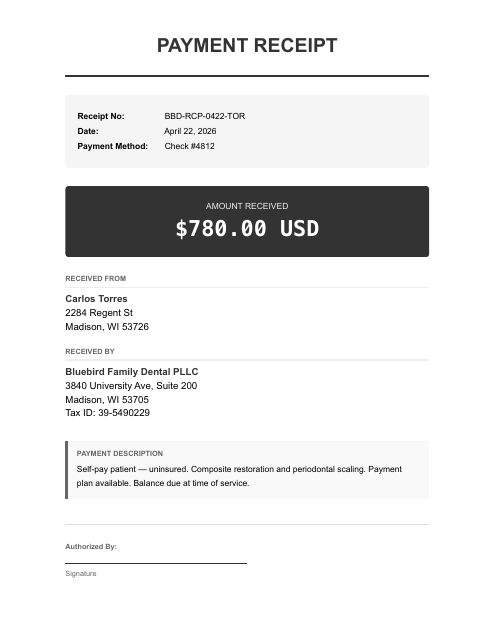
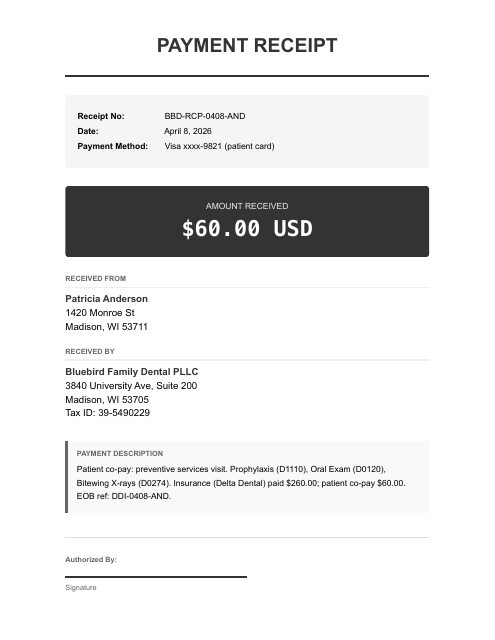
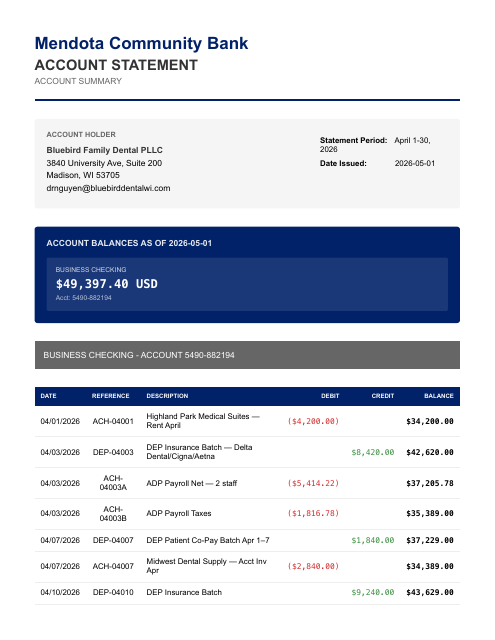
Reconciled to the penny. Then ask your AI anything about your books.
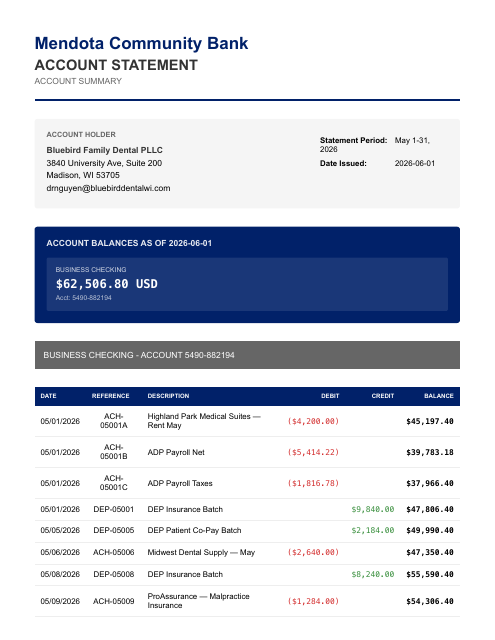
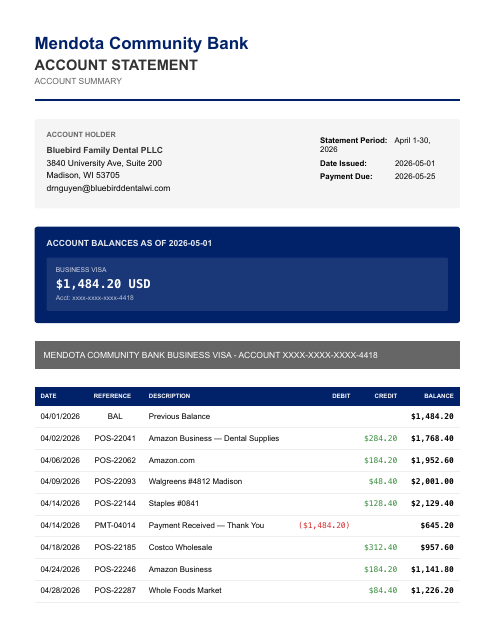
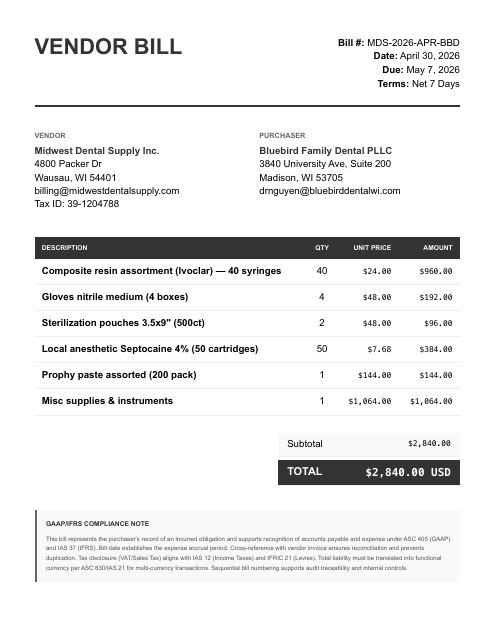
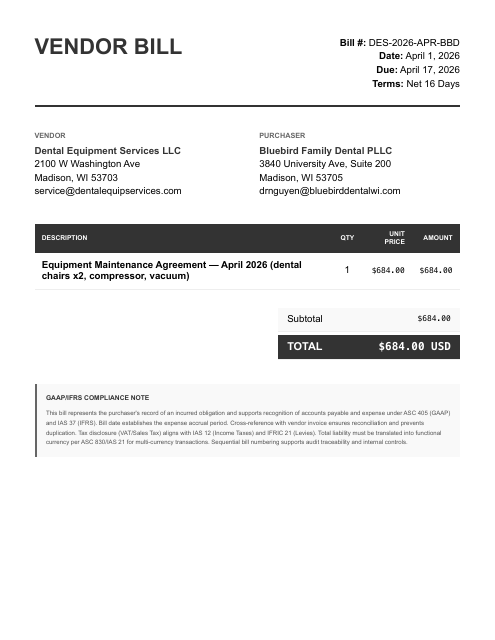
Figures from the Bluebird Family Dental PLLC sample case — a fictional business — every transaction tied to its real source document, balanced and review-ready.
Create your account. Continue in the console.
- Create your account
Sign up on any device. FinStat resolves your account and loads the free grant before connection setup.
- Open FinStat on your agent’s computer
Go to console.finstat.ai and sign in with the same account. If you are already on that computer, just continue.
- Follow Connections
Choose your agent in the console and use the exact instructions provided for that host.
The MCP address and host-specific setup steps are shown under Connections after sign-in.
The parts that eat your evening. FinStat catches every one.
Insurance carriers (Delta Dental, Cigna, Aetna) pay in commingled ACH batches weekly, so every deposit mixes multiple payers and patients
Patient co-pays get batched into daily deposits — tying any one receipt back to a deposit is guesswork
Rent and parking, supplies, payroll, and malpractice insurance all flow through one checking account and need to be split out
It ties the $1,484.20 ACH on the April checking to the exact Visa payment and prior balance, matches the $2,840.00 dental-supply ACH to its bill, then flags the $2,640.00 May supply payment and the second $684.00 maintenance run that have no bill in the folder.
Three steps. Every one secure.
Start in the console.
Create your account, then open Connections in the FinStat console on the computer where your agent runs. Follow the instructions there, then say: help me get started.
Hand over the documents.
Give your AI your statements, payouts, receipts, and bills — attach them, then say: run my books.
Ask for any report.
“Give me a P&L.” “Reconcile May.” “Show every uncategorized transaction.” Review-ready accounting output, in chat.