Your AI can run your manufacturing shop's books. Really.
Connect FinStat from Grok, ChatGPT, Claude, Cowork, Work, Cursor, Codex, Agent, Grok Bot, or Perplexity on your computer. Hand over your PO-based customer invoices, raw material and utility bills, freight invoices, and bank statements, and it hands you a review-ready P&L, every transaction tied to its source.
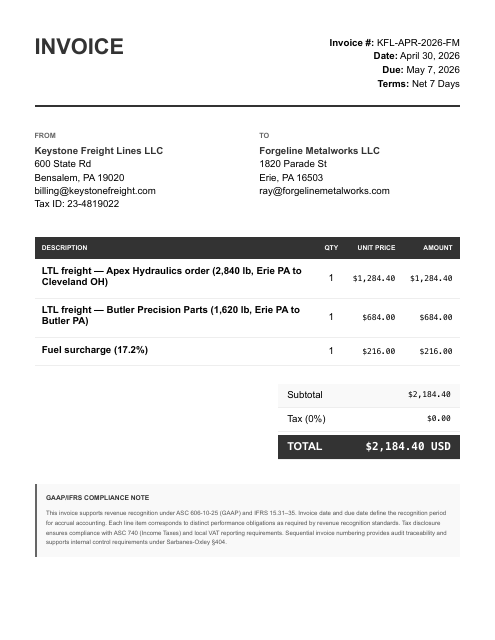
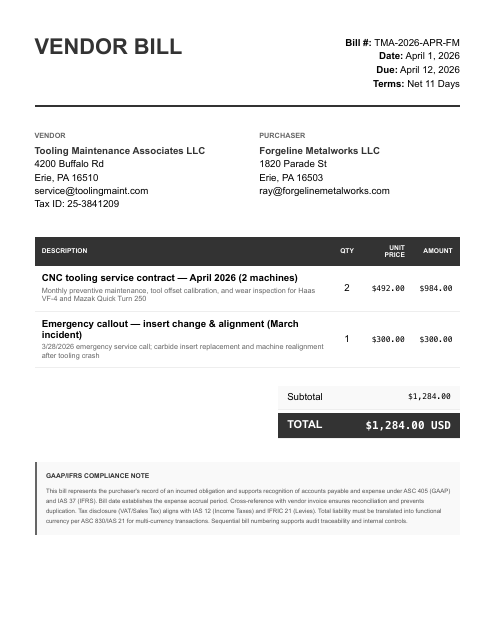
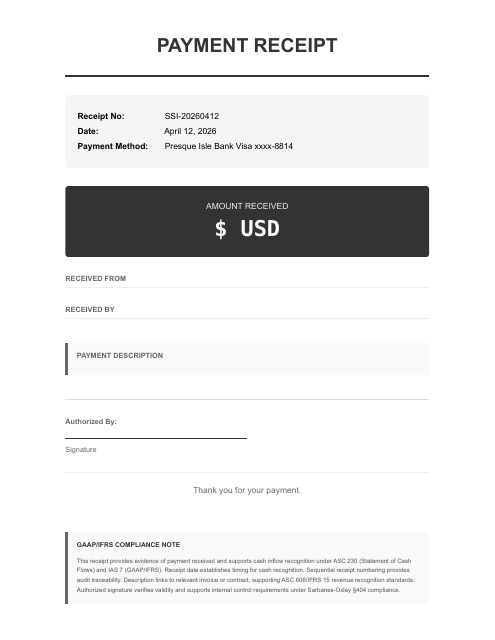
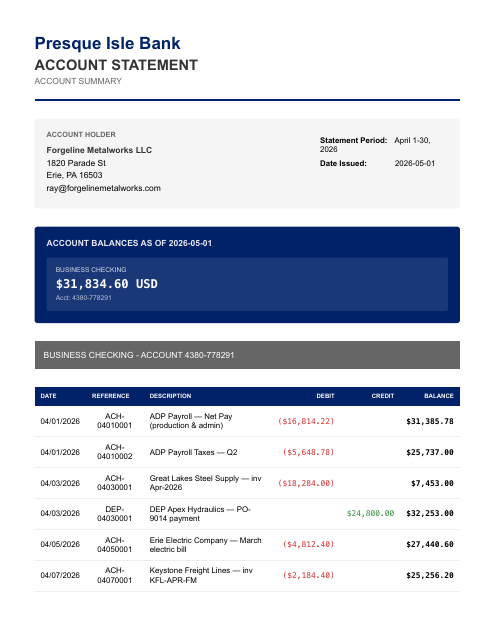
Reconciled to the penny. Then ask your AI anything about your books.
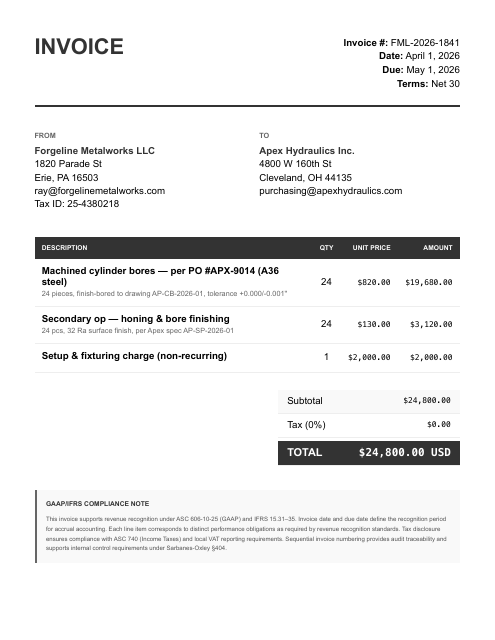
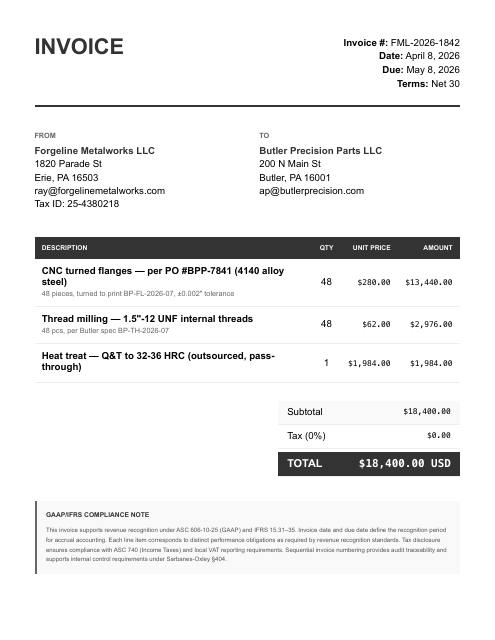
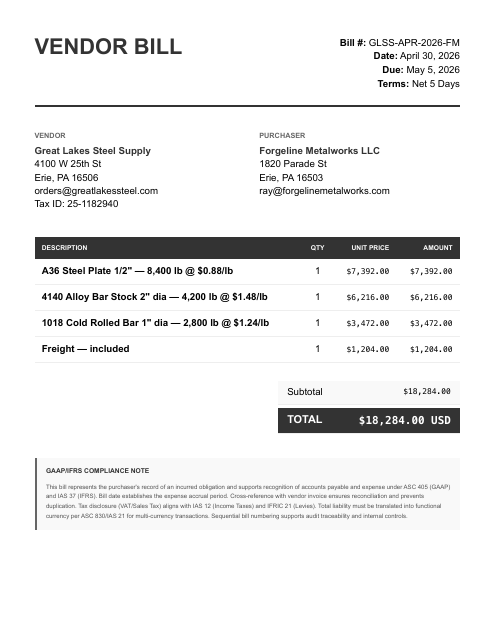
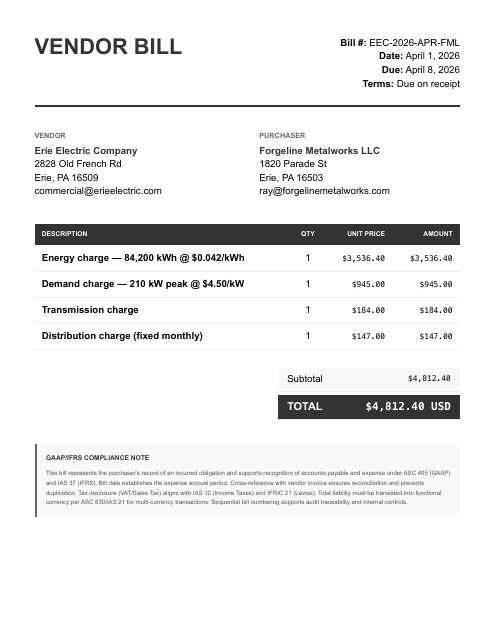
Figures from the Forgeline Metalworks LLC sample case — a fictional business — every transaction tied to its real source document, balanced and review-ready.
Create your account. Continue in the console.
- Create your account
Sign up on any device. FinStat resolves your account and loads the free grant before connection setup.
- Open FinStat on your agent’s computer
Go to console.finstat.ai and sign in with the same account. If you are already on that computer, just continue.
- Follow Connections
Choose your agent in the console and use the exact instructions provided for that host.
The MCP address and host-specific setup steps are shown under Connections after sign-in.
The parts that eat your evening. FinStat catches every one.
PO-based customer invoices pay Net 30, so large deposits have to be tied back to the right job and purchase order
Raw material, electricity demand charges, freight, and tooling bills all hit by ACH and must be matched to vendor bills
Several customers pay by deposit only — Meridian, Lakeside, Cascade — with no invoices in the folder
It ties the $24,800 Apex Hydraulics PO invoice and $18,400 Butler Precision invoice to their exact April deposits, then flags the Meridian $12,840, Lakeside $9,200, and Cascade $18,200 customer deposits that arrived with no invoices anywhere in the folder.
Three steps. Every one secure.
Start in the console.
Create your account, then open Connections in the FinStat console on the computer where your agent runs. Follow the instructions there, then say: help me get started.
Hand over the documents.
Give your AI your statements, payouts, receipts, and bills — attach them, then say: run my books.
Ask for any report.
“Give me a P&L.” “Reconcile May.” “Show every uncategorized transaction.” Review-ready accounting output, in chat.